Article
Five Visions
5 Visions: A Look into the Future of Stores
We often think that retail stores are only the shopfront or typical physical store, but what if your retail stores could be so much more?
Over the years, we've witnessed a powerful transformation in the retail industry.
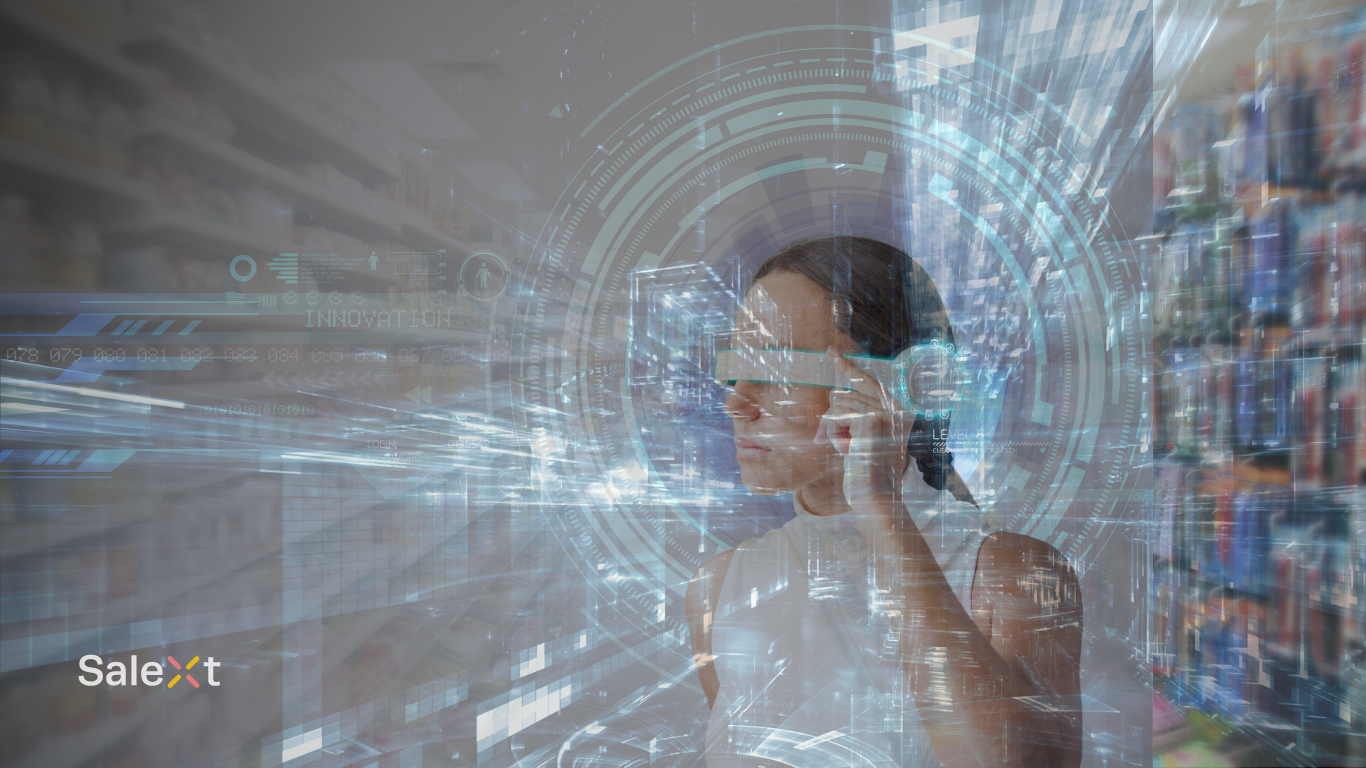
We live in a generation dominated by technology, and the future of stores is taking us in a whole new form - embracing advanced digital innovations.
The once seemingly intangible concepts of store fiction are slowly becoming a reality. Retailers are now exploring innovative ways, from usual brick-and-mortar stores to experiential retail outlets emerging with digital transformations.
How does it affect employees' interaction in physical stores?
With the continuous acceleration of digital technologies in the retail sector, manual labor is expected to lessen. Employees must be able to adapt to the changing retail trends in customer engagement and needs to develop new strategies and approaches to providing an exceptional customer experience.
These advancements come with great opportunities if you're looking for retail channels to showcase your products or improve how consumers shop.
Imagine a customer walking into your retail store and being met with interactive screens instead of your staff, then walking into the scene with an array of colorful displays that allow customers to virtually explore and try all the products before buying them.
Futuristic yet fantastic, right?
Let us now explore a physical retail store's foreseeable future and its possibilities.

The 5 Visions of Retail Stores
The future of retail stores is dramatically transforming how we perceive a physical location and its other components. Many retailers have unique ideas on how to make their stores successful, so they are also embracing digital reforms in their retail supply chain.
Do you want to stay ahead of your competitor? Here, we will look into the five visions of retail stores from future perspectives.
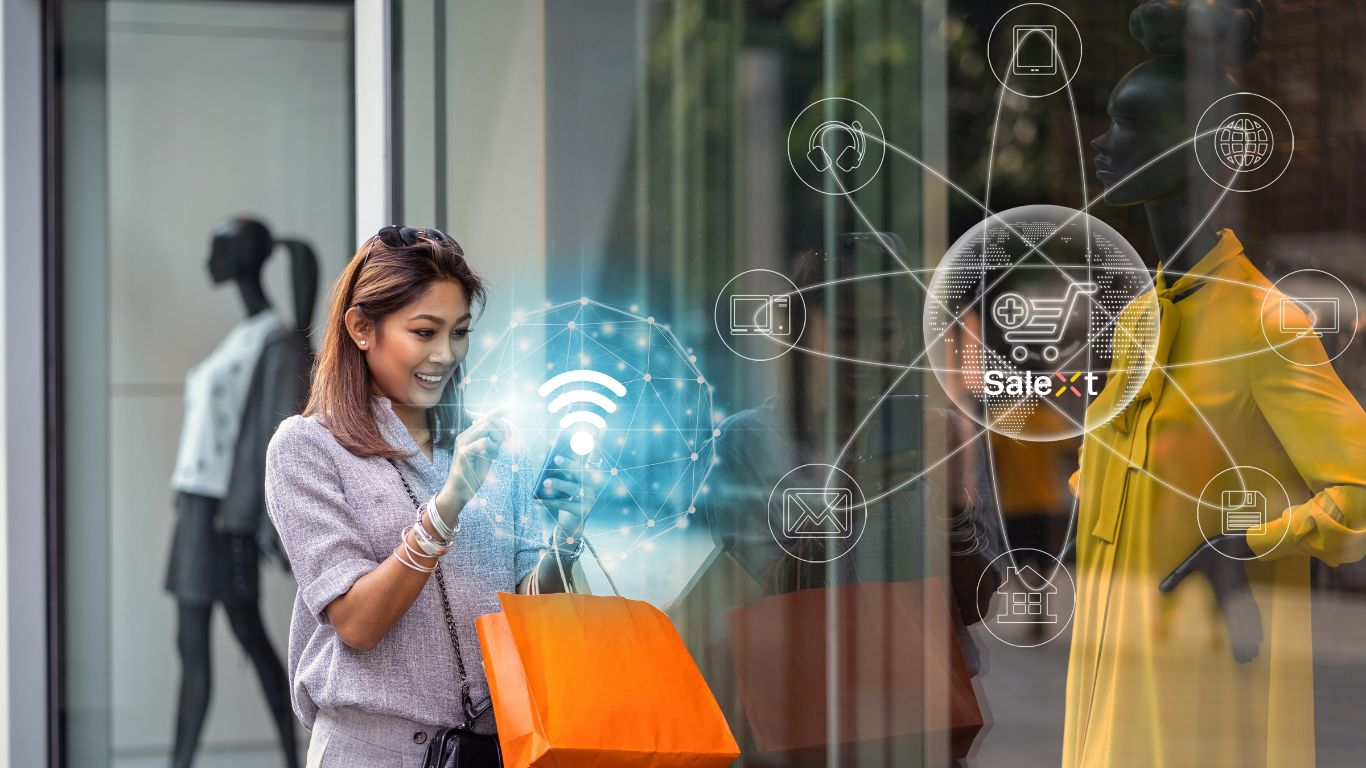
Omnichannel experiences
Many businesses, such as in the retail industry, are shifting towards an omnichannel shopping interface to bring consumers an end-to-end shopping experience across both digital and physical stores.
As you look into the future, the concept of the omnichannel presence will bring endless possibilities to retail stores and their operations. What if virtual ideas powered by advanced technologies will be integrated into cross channels to offer more personalized offers created just for a consumer's individual needs? E-commerce platforms such as websites and mobile apps would still be reliable as soon as consumers demand more personalized services. This will force retailers to offer a more unified approach across their multiple channels.
Retailers will have access to generate insights into consumer behavior with advanced data analytics solutions using a technology that will connect data from physical shopping to online shopping- the futuristic approach for omnichannel experiences is that staff can interact and locate consumers virtually across different platforms.
This future of retail will allow consumers to buy seamlessly no matter where they prefer, while retailers can easily deliver exceptional services.
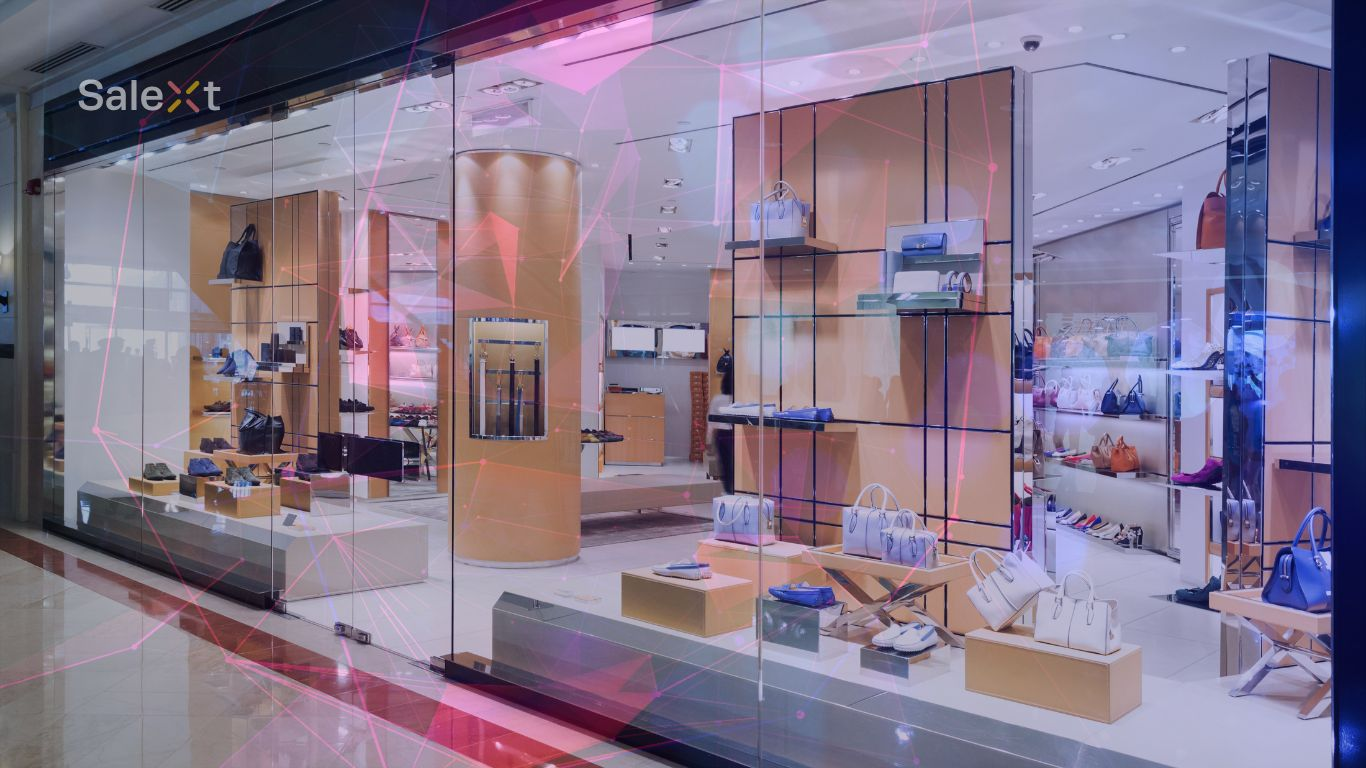
Hyperconnected in-store experience
Technologies and social networks like WIFI and Bluetooth has been used by retailers nowadays to create in-store hyperconnectivity. This allows connection between devices and humans inside a store. Take Amazon Go as an example, which used a combination of sensors, deep learning, and computer vision to automate checkout and payment processes.
What if these technologies could be taken further and will eliminate the connections between staff in a future setting? With the advances in technology, it's not possible to revolutionize everything, and we've already witnessed some radical changes. What if stores will replace the shopping experience with more automatic processes in the future?
Product shelves will be installed with a real-time tracker, and the moment a customer picks up a product, it will automatically add to the customer's own self-navigation cart. Customers can automatically purchase the product with just a tap from an app or a provided device in-store.
This will reduce the time spent in-store and allow customers full control over their shopping journey. It may seem impossible, but the potential of more advanced hyperconnectivity in retail stores is one of the possible visions where convenience is the king.
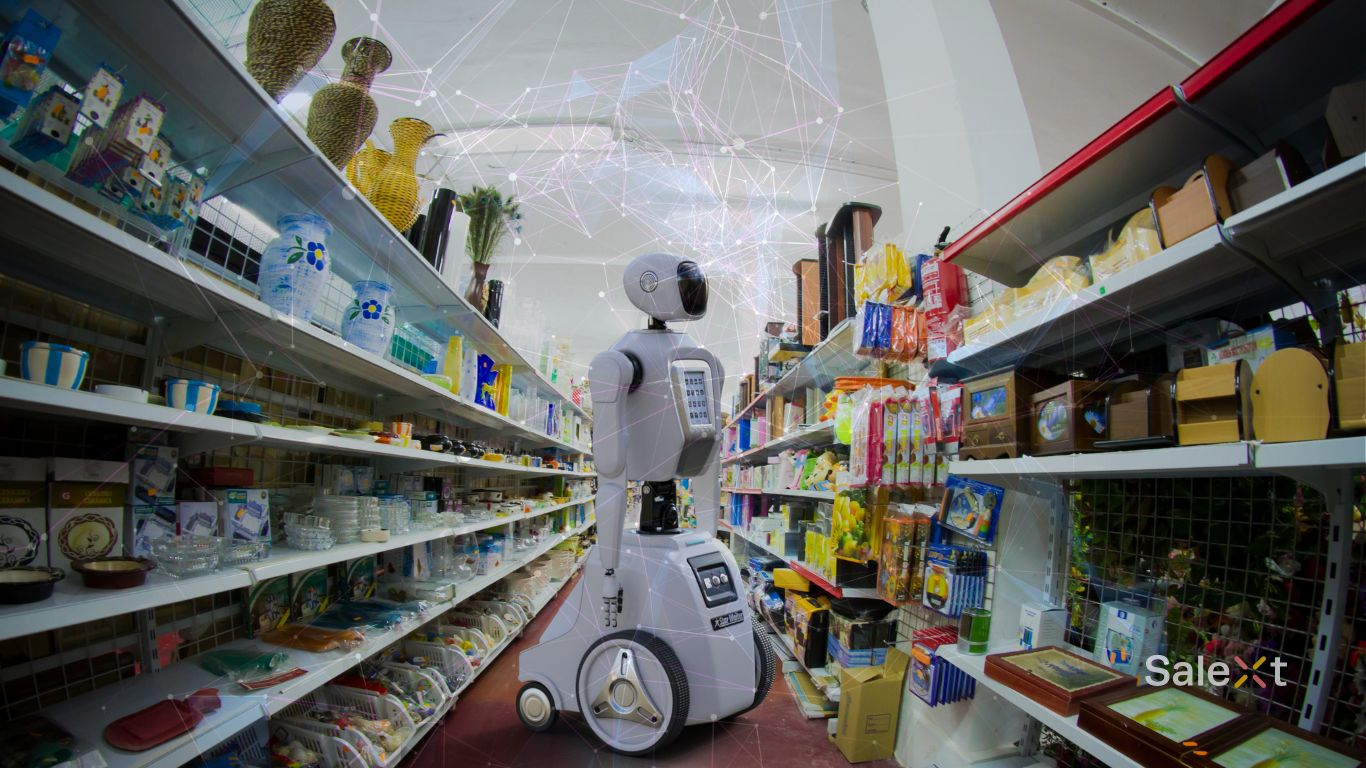
Robotics and Artificial Intelligence
With increasing demands and expectations from customers, we can perceive that stores in the future will improve their technological advances even up to the highest level- entering a new force with advanced technologies combined with IoT. The idea of utilizing the automated capabilities of robotics in retails has been used by some retailers around the world. For example, Walmart is using robots to check and monitor its inventory.
What if, after several modifications, a robot can surpass its full potential?
In the near future, robots may be capable of collecting real-time data and manipulating it. As soon as customers enter the store, they can see robots roaming around it, helping them find their preferred items. As robots move around the aisles, they can capture each data from how people shop, which is then converted into digitized insights and metrics based on customers' behavior and actions.
With such detailed data, they will be greeted personally by robots who recognize their names and will offer product recommendations and preferences based on their buying patterns. The important part here is that robots will now be able to detect what a customer wants but can't purchase.
On the other hand, the Artificial Intelligence approach with the Internet of Things will bring a whole new level of convenience to retail staff. AI-enabled cameras with sensors will alert you of real-time stock availabilities. AI-powered point-of-sales will eliminate queues on the counter. AI-powered sensors will be installed on the sales floor to track customers' activity based on their footsteps and hand gestures.
This way, AI can also determine the foot traffics inside the store to offer accurate temperature levels and dynamic pricing methods.
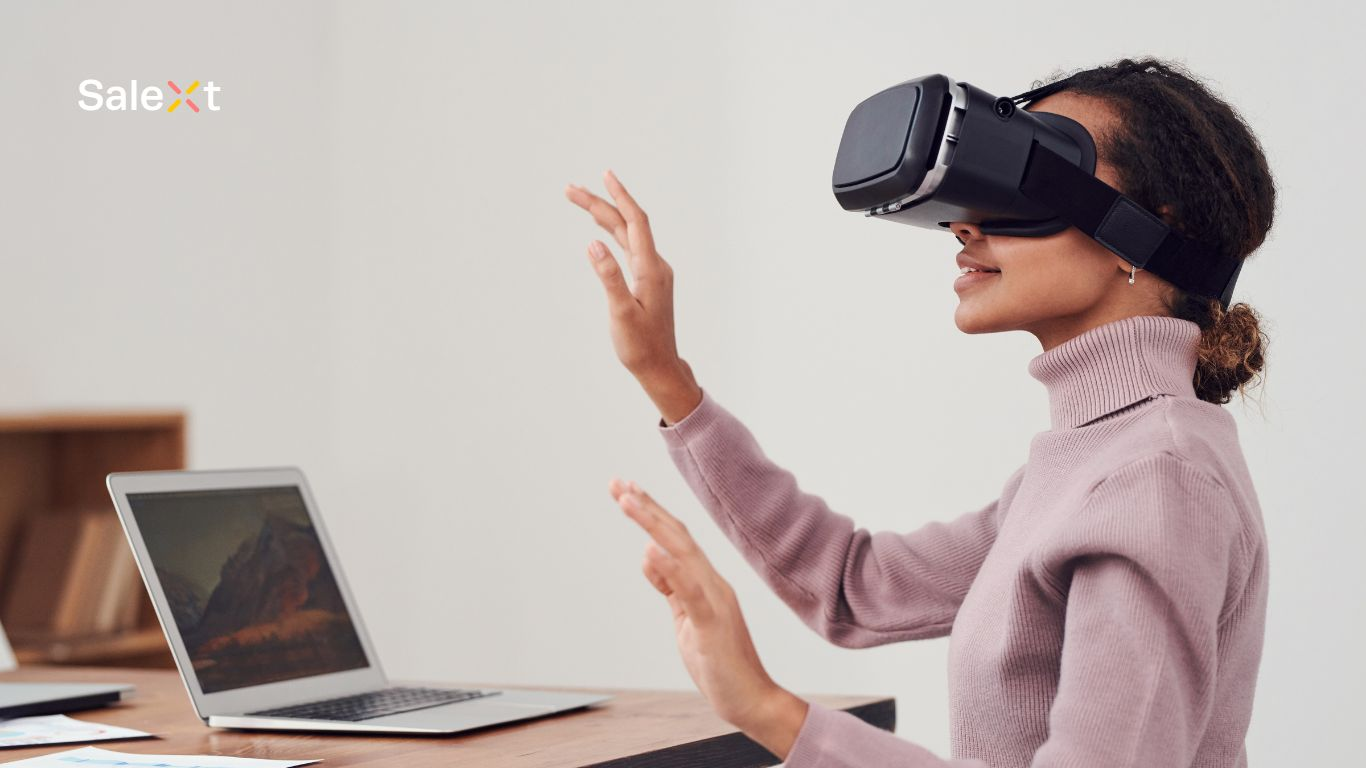
Digital Reforms - Augmented and Virtual Reality combined
The future of retail is now slowly shifting to digital advancements providing retailers and staff a look and feel into retail landscapes in the digital world.
Virtual and Augmented Reality brings unique opportunities to staff when it comes to retail store operations and provides the customer with an engaging retail space. For example, retail staff in the future will be able to see a designated aisle or a department in a store in just seconds without ever leaving their posts but can interact with products like in the real world.
Retailers can track their product's supply and demand because of the advanced visual elements where you are allowed to monitor your supply chain in a virtual realm. Retailers can also simulate real scenarios using AR, where staff is allowed to practice their tasks before executing them in real-life scenarios. In this case, they will be able to improve and learn new skills to become more successful in their job than ever before.
Imagine a future where staff has the capability to quickly and efficiently locate customers in need of assistance. With Augmented Reality technology, directions for locating customers are provided as if you are actually inside a real store.
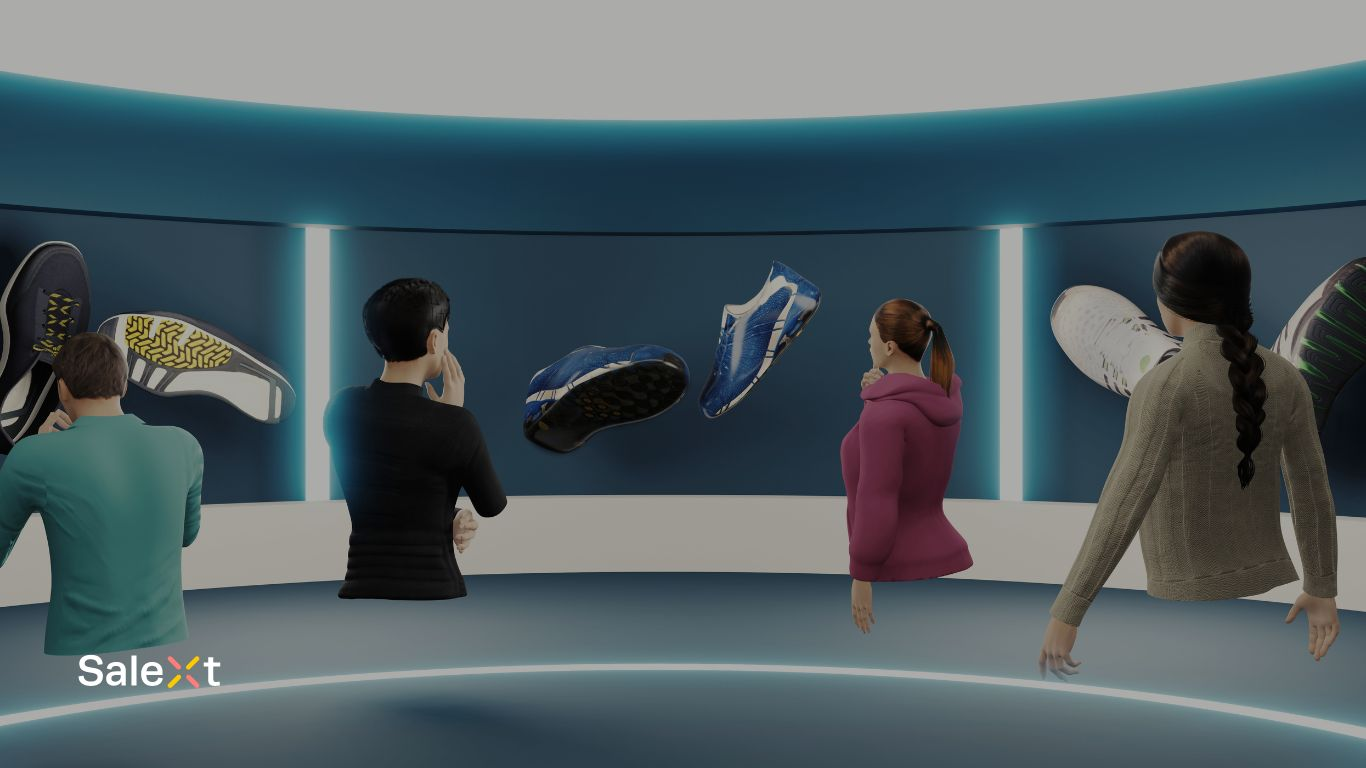
This newfound capability improves staff efficiency and customer service levels that transform store operations. Another example scenario of considering digital reforms in your retail channels is that you can create a virtual land for your customers where they can try out products from different angles before buying them.
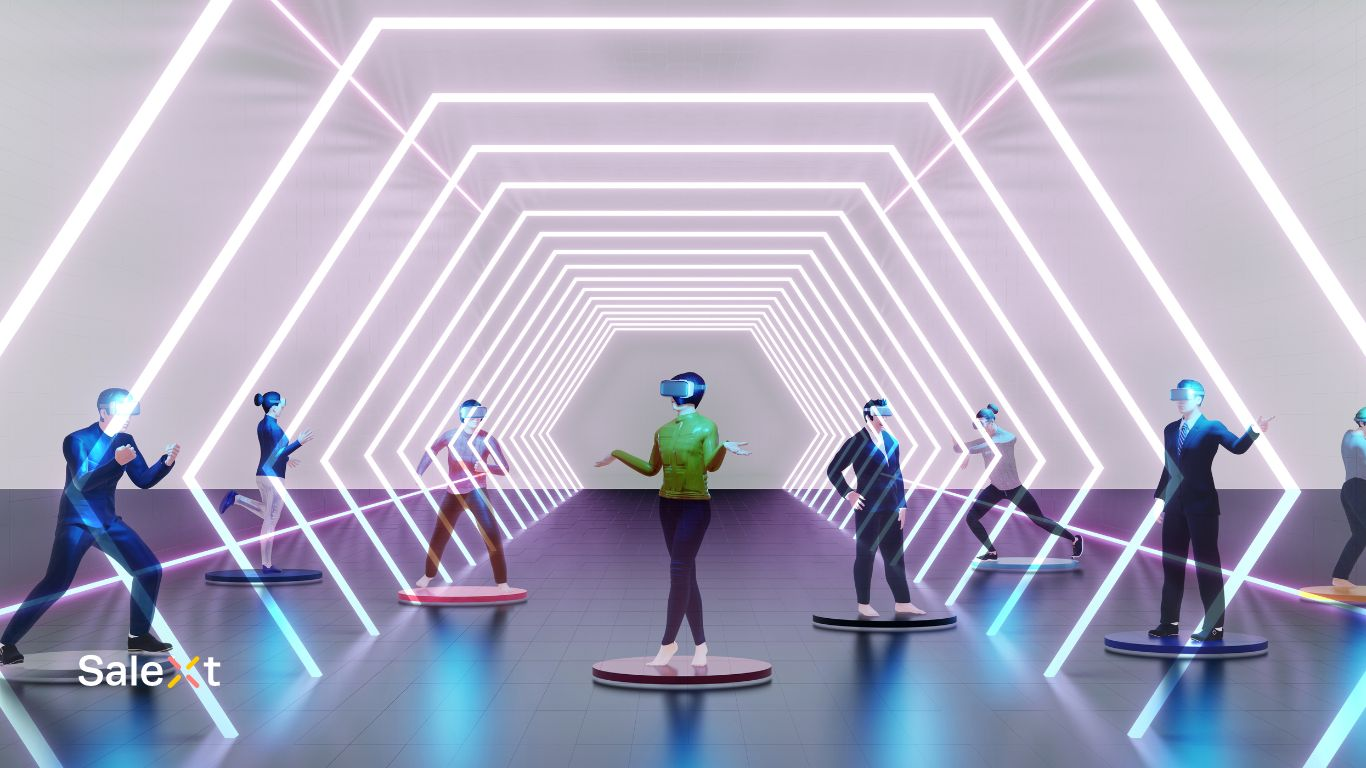
Web3 and Metaverse
Some retailers are already making their first move on Web3 and Metaverse. This gives them the advantage of utilizing digital goods and assets. A retailer may open up his/her own marketplace where customers can buy and sell without needing a centralized platform.
It allows expanding retail operations beyond the physical realm because they can now reach consumers in virtual markets around the world. For example, Nike has built Nikeland as their metaverse space, where users can socialize, play, and customize their characters. Of course, there will be a whole lot of brand experiences as well as purchasing of Nike's exclusive digital products.
It's also possible that in the near future of retail, they will offer virtual versions of their products where a customer can purchase them in a game or in a virtual space. Web 3 will create a standardized online shopping method and make much safer and speedier transactions.
This new shopping era with Metaverse will revolutionize retail operations. For example, retailers can now quickly adjust inventory and stock levels in real time across multiple channels. With predictive analysis, retailers can now stock the right items on shelves based on accurate market demand.